Barnet Council rules for green waste and garden disposal: what residents need to know
If you have ever stood in the garden with a pile of cuttings, old turf, hedge trimmings, and a suspiciously heavy sack of soil, you will know the question that follows very quickly: what is actually allowed, what needs separating, and where does it all go? Barnet Council rules for green waste and garden disposal can feel straightforward at first glance, but the details matter. A little sorting now can save hassle later, and in some cases it can prevent rejected collections, unnecessary charges, or the dreaded "we can't take that" moment.
This guide breaks the topic down in plain English. You will get a practical explanation of how green waste is usually handled, what types of garden material are commonly accepted, what tends to cause problems, and how to plan a clean, tidy disposal process without making a mess of the whole afternoon. To be fair, most people are not trying to do anything wrong - they just want the lawn clipped, the beds cleared, and the bin lid to shut properly again.
We will also cover best practice for mixing council rules with real-world gardening jobs, whether you are a homeowner, landlord, tenant, or managing regular maintenance for a larger property. If you want to keep on top of the garden all year round, you may also find it useful to look at garden maintenance support and garden clearance services as part of a wider plan.
Table of Contents
- Why Barnet Council rules for green waste and garden disposal matters
- How Barnet Council rules for green waste and garden disposal works
- Key benefits and practical advantages
- Who this is for and when it makes sense
- Step-by-step guidance
- Expert tips for better results
- Common mistakes to avoid
- Tools, resources and recommendations
- Law, compliance, standards, or best practice
- Options, methods, or comparison table
- Case study or real-world example
- Practical checklist
- Conclusion
- Frequently asked questions
Why Barnet Council rules for green waste and garden disposal matters
Garden waste is one of those things that seems harmless until it is not. A few branches, some grass cuttings, and a bag of weeds may look like simple organic rubbish, but councils treat different garden materials differently because the way they are collected, processed, or recycled can vary a lot. If you get the sorting wrong, the load may be left behind, rejected at a facility, or handled in a less efficient way than necessary.
For Barnet residents, the rules matter for three practical reasons. First, they help keep collections efficient. Second, they reduce contamination, which is the main reason recyclable material gets downgraded or refused. Third, they help you avoid mixing garden waste with general household rubbish, construction debris, or anything that needs special handling. That last bit catches people out more often than you might think. A single broken plant pot tucked into a bag of clippings can be enough to turn a tidy green-waste load into a problem.
There is also a wider environmental reason. Garden waste is not just "rubbish"; it is a resource when it is handled properly. Leaves, prunings, grass, and other organic matter can often be processed into compost or similar output rather than being thrown away as mixed waste. If you care about sustainability - and many local householders do - following the rules is not just about compliance. It is about doing the sensible thing without creating avoidable work downstream.
Practical takeaway: the cleaner and more separated your garden waste is, the easier it is to dispose of legally, efficiently, and with less stress.
How Barnet Council rules for green waste and garden disposal works
While details can change over time, the basic structure is usually familiar across London boroughs. Garden waste is generally expected to be kept separate from other waste streams and presented in a way that allows it to be collected or taken away safely. In practice, that means thinking in categories rather than just "everything from the garden."
Typical garden waste categories
- Green waste: grass cuttings, hedge trimmings, leaves, weeds, small prunings, and soft plant material.
- Woody waste: thicker branches, twigs, and cut woody stems. These may be accepted, but sometimes they need bundling or may have separate rules depending on size.
- Mixed organic garden material: dead plants, old bedding plants, and plant-based debris, provided it is not contaminated.
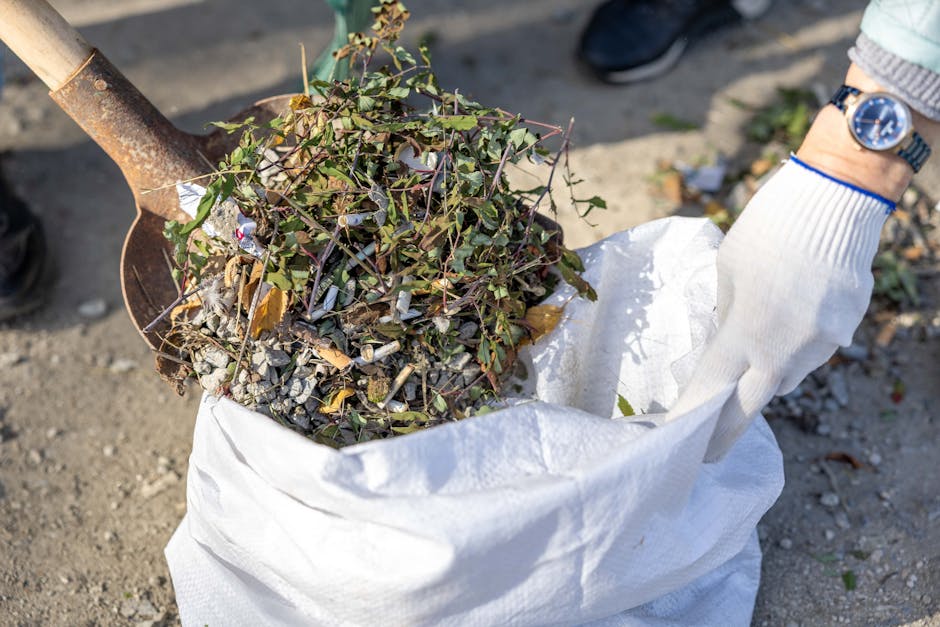
- Non-green items found in gardens: soil, stones, plant pots, plastic ties, trellis pieces, broken ornaments, and treated timber. These are often the troublemakers.
One of the most important ideas here is contamination. If green waste is mixed with non-organic material, it may no longer be suitable for the usual recycling or composting route. That is why council guidance often focuses on keeping the load clean and separating out anything that clearly does not belong.
If you are clearing a larger plot, a long-neglected front garden, or a post-pruning mountain of cuttings, a structured approach helps. In those situations, a broader services overview can be useful because disposal decisions are often tied to the job itself. A hedge cut, for example, generates very different waste from a full clearance after several seasons of growth.
What usually causes issues
- Mixing soil and turf with light green cuttings
- Including rubble, broken slabs, or builders' waste
- Leaving plastic plant labels in bags
- Overfilling containers so they cannot be lifted safely
- Using the wrong bags or tying bundles too loosely
The exact collection method can vary depending on the council service in use, but the principle is the same: make the waste easy to inspect, easy to handle, and easy to process. That is the real heart of the thing.
Key benefits and practical advantages
Following Barnet Council rules for green waste and garden disposal brings more than just peace of mind. It saves time, reduces waste, and makes the whole garden routine feel less chaotic. A neat system for disposal tends to improve your actual gardening as well, because you stop putting off the tidy-up jobs.
- Less risk of rejected waste: If the load is correctly sorted, you are less likely to have material left behind.
- Cleaner garden workflow: Pruning, mowing, and clearing become more efficient when you already know where each type of waste goes.
- Better presentation: Especially useful if you rent out property, are selling, or simply prefer the place to look properly kept.
- Reduced contamination: Cleaner separation supports recycling or composting routes.
- Fewer awkward surprises: You avoid finding out too late that soil, pots, or treated timber need different handling.
There is a subtle benefit too: when a garden is managed with disposal in mind, the whole space tends to stay more usable. You stop storing temporary piles in the corner "for later", which somehow always becomes "for next month". We have all seen that happen.
If you are maintaining beds, borders, hedges, or lawns regularly, disposal becomes even more efficient when paired with ongoing upkeep such as lawn mowing and hedge trimming. Smaller, more frequent jobs usually create more manageable waste than one huge seasonal overhaul.
Who this is for and when it makes sense
This topic matters to a much wider group than just enthusiastic gardeners. In real life, people need garden disposal guidance for all kinds of reasons.
Homeowners
If you look after your own outdoor space, you will need to know what to do after routine jobs like mowing, pruning, leaf clearing, or cutting back shrubs in autumn. Even a modest suburban garden can generate more waste than expected, especially after a few wet weeks when everything grows faster than you planned.
Landlords and property managers
Rented homes often need fast, reliable clearance between tenancies. A tidy front and back garden can make a major difference to how a property is viewed, and it also helps avoid complaints from neighbours or tenants. For larger outdoor refreshes, you might also look at broader landscaping support or landscape gardening if the space needs more than just a clear-up.
Older residents or busy households
If lifting bags, bundling branches, or making repeated trips to a disposal point is not practical, arranging help becomes a sensible choice rather than a luxury. No one should have to wrestle a half-rotten compost sack through the hallway if it can be avoided.
People doing seasonal clear-outs
Spring and autumn are the big ones. You cut back, rake, tidy, and suddenly realise the garden has produced a whole trailer-load of stuff. A little planning makes those big seasonal jobs feel manageable instead of overwhelming.
In practice, the rules make sense whenever the garden waste is more than a couple of small bags, or when the material is mixed, heavy, or awkward to move safely.
Step-by-step guidance
If you want a straightforward way to handle garden waste without getting tied in knots, use this sequence. It keeps things orderly and makes council disposal or private collection much easier.
- Separate green waste from everything else. Put grass, leaves, weeds, and soft prunings in one pile. Keep plastics, pots, stones, and rubble out of it.
- Sort woody material. Twigs, branches, and thicker stems may need bundling or separate handling. Cut long pieces down to a manageable size.
- Remove contamination. Check for plant labels, string, tape, broken garden ornaments, and bits of old fencing or timber.
- Decide what is reusable. Healthy branches can sometimes be chipped or reused as mulch; not every piece needs to be treated like waste.
- Bag or bundle correctly. Use sturdy bags and secure ties. Avoid overloading containers because they become awkward quickly, and the bag always feels twice as heavy by the gate.
- Choose the right disposal route. Depending on the material and volume, this may mean council collection, a permitted waste service, or a planned clearance as part of a larger gardening job.
- Keep records if needed. For regular business, landlord, or managed-property work, it is wise to keep notes on what was removed and when.
Here is the simple version: sort first, move second, dispose third. Do it the other way round and you usually regret it halfway to the bin.
Expert tips for better results
Most garden waste problems are preventable with a bit of method. Nothing glamorous, just good habits.
- Collect waste as you work. Do not leave it until the end if the job is large. Clearing in stages keeps the workspace safer and less cluttered.
- Keep a separate bucket for "non-green" finds. This catches stones, twine, labels, and broken plastic before they end up mixed in.
- Dry material where possible. Wet grass and leaves are much heavier. If you can let very wet clippings drain briefly, you may make the load easier to move.
- Cut long branches down early. It sounds obvious, but long, awkward pieces are what make bins awkward and vans messy.
- Think ahead about the next job. If you are pruning hedges, trimming shrubs, and mowing in the same week, decide how each waste type will be stored before you start.
If you are planning more than a simple tidy-up, it often helps to combine disposal with broader maintenance tasks. For example, hedge cutting and lawn work usually generate recurring green waste, so pairing them with a regular maintenance routine can keep the whole garden under control. That is especially true in the growing months, when everything seems to burst into life at once.
And yes, one tiny bit of humour: garden waste has an uncanny ability to double in size the moment you turn your back. Funny once. Less funny when the boot will not close.
Common mistakes to avoid
The same handful of mistakes come up repeatedly. Avoiding them is easier than fixing them afterwards.
Mixing green waste with soil
Soil is heavy, messy, and often treated differently from foliage and prunings. A bag full of turf, roots, and claggy soil can cause problems because it changes the composition of the waste stream.
Adding builders' waste by accident
Old fence posts, paving fragments, cement dust, and broken slabs do not belong with garden waste. If a job includes both garden and hard landscaping material, keep them separate from the start.
Forgetting about treated timber
Rotten decking offcuts, painted wood, and treated timber can require different handling from normal green waste. If you are stripping out old timber features, take a minute to separate them properly. If the work goes beyond simple disposal, it may link to a bigger project like decking services or more structural garden improvements.
Overstuffing bags
Too many people load a bag to the point where it cannot be lifted safely. The problem is not just the weight. It is the chance of splitting the bag or injuring yourself while moving it. A split bag on a damp path is not a good morning.
Leaving waste sitting too long
Fresh green waste starts to smell and compact if left in piles for too long, especially in warm or wet weather. It becomes heavier, sloppier, and less pleasant to handle. Deal with it sooner rather than later.
Tools, resources and recommendations
You do not need a van full of equipment to manage garden disposal properly, but a few basic tools make the process much easier.
- Sturdy garden sacks or heavy-duty bags: Better than weak carrier bags that split at the worst possible moment.
- Gloves: Useful for thorny cuttings, broken twigs, and general tidiness.
- Hand rake and pruning shears: These help you cut waste down before it becomes unmanageable.
- Wheelbarrow or tub: Handy for moving cuttings to a storage or collection point.
- Tarpaulin: Good for gathering loose material quickly and keeping a driveway or patio tidy.
For ongoing garden upkeep, a planned routine is usually better than a once-a-year clear-out. Regular visits from a maintenance team can reduce waste spikes and make disposal much easier over time. If you are comparing practical support options, you may also want to review pricing and quotes so you can match the job size to the right level of help.
For people who care about lower-waste habits, a sustainability-minded approach matters too. Reusing healthy clippings as mulch, composting suitable material, and keeping waste streams clean all support a more thoughtful garden routine. You can read more about that approach through recycling and sustainability.
Law, compliance, standards, or best practice
When people ask about Barnet Council rules for green waste and garden disposal, they are usually really asking two things: what is allowed, and what is the safest way to stay on the right side of local requirements. The honest answer is that council arrangements can change, and details about collections, accepted materials, and presentation rules should always be checked against the current local guidance before you put waste out.
From a best-practice perspective, there are some dependable principles that apply almost everywhere in the UK. Keep waste separated by type. Do not mix garden waste with household rubbish or construction debris. Make sure bags and bundles can be handled safely. And if you use a contractor, choose someone who works responsibly and can manage waste in a proper, traceable way.
For larger clearances, it is sensible to think about health and safety as well as disposal. Sharp branches, slippery cuttings, lifting injuries, and hidden debris are all common issues. If you want to understand the standards a professional team should follow, it can help to look at a company's health and safety policy and insurance and safety information.
There is also a practical compliance point for regular jobs: keep an eye on what is removed, especially if the work is part of a tenancy, managed property, or larger project. Clear communication protects everyone. And if something goes wrong, a published complaints procedure gives you a clearer route than a string of stressed phone calls on a wet Tuesday afternoon.
Options, methods, or comparison table
There is no single "best" disposal method for every garden. It depends on how much waste you have, what it consists of, and how quickly you want the space back in order. Here is a simple comparison.
| Method | Best for | Strengths | Limitations |
|---|---|---|---|
| Council green waste collection | Regular household green waste | Convenient, local, usually efficient for clean organic material | Needs correct sorting and may have volume or presentation limits |
| Home composting | Leaves, grass, soft plant matter | Very sustainable, reduces waste output | Not ideal for large volumes, woody material, or contaminated loads |
| Private garden clearance | Large, mixed, or awkward loads | Saves time, handles bulky material, good for one-off jobs | Usually costs more than doing it yourself |
| Regular maintenance with disposal included | Ongoing gardens with recurring waste | Keeps waste smaller and jobs more manageable | Requires planned scheduling |
For many households, the best answer is a combination. Small weekly or fortnightly waste can be managed one way, while bigger seasonal cuts or one-off clearances need a different approach. That is perfectly normal.
Case study or real-world example
Take a typical front-and-back garden after a busy spring. The hedge has been trimmed, the lawn has been cut twice in a week because the rain came through, and the borders have been cleared of old winter growth. What started as "just a tidy-up" now includes three bags of soft green waste, two bundles of branches, a cracked plant pot, some loose soil, and a pile of old edging that was left behind from a previous job.
The easiest fix is to sort the materials before they go anywhere near the bin area. Grass and soft cuttings go into one stack. Branches get cut down and bundled. The plant pot and edging are separated immediately, because they are not part of the green waste stream. The result is simple: less mess, less lifting back and forth, and a much better chance that the waste can be dealt with properly on the first attempt.
In real life, that kind of organisation matters. It saves time at the end of the day when everyone is tired, the tea has gone cold, and the garden still looks half-finished. A clean disposal plan turns a messy job into a manageable one. Not glamorous, but very effective.
If the garden needs more than a tidy-up and is heading toward a full reset, combining disposal with garden clearance can be the simplest route. For ongoing work on larger gardens, it may also make sense to schedule support alongside lawn mowing and routine garden maintenance.
Practical checklist
Use this before you put anything out or book a collection.
- Have I separated green waste from household rubbish?
- Have I removed plastic, wire, labels, and string?
- Is any soil, rubble, or treated wood kept out of the green waste pile?
- Are branches cut to a manageable length?
- Are bags secure and not dangerously heavy?
- Do I know which disposal route I am using?
- If the job is large, do I need help from a professional team?
- Have I checked for any current local collection requirements before placing waste out?
- Would composting or reuse reduce the amount I need to remove?
- Is the garden area left safe and tidy after the work is done?
That checklist sounds simple, but honestly, it catches most of the avoidable issues.
Conclusion
Barnet Council rules for green waste and garden disposal are really about keeping garden waste clean, separate, and easy to process. Once you understand the logic behind it, the whole thing becomes far less annoying. Sort the waste, avoid contamination, use the right disposal route, and keep an eye on safety. That is the gist.
For small domestic jobs, you can often manage well with a few basic tools and a bit of planning. For bigger clearances, seasonal cut-backs, or gardens that have got away from you, professional help can save time and take the pressure off. Either way, the aim is the same: a tidy outdoor space, less waste stress, and a system you can live with from one month to the next.
If you are looking after a garden in north London and want a simple, reliable approach to disposal and upkeep, exploring the right service mix can make the process a whole lot easier. And once the work is done, there is a real satisfaction in seeing everything neat again - the path clear, the borders breathing, the bins finally behaving themselves.
Get a free quote today and see how much you can save.
Frequently Asked Questions
What counts as green waste in a Barnet garden?
Green waste usually means organic garden material such as grass cuttings, leaves, weeds, hedge trimmings, and soft prunings. If it is plant-based and not contaminated with other materials, it is normally the type of waste councils want kept separate.
Can I put soil in with garden waste?
Usually not. Soil is heavy and is often handled differently from green waste. A small amount may sometimes be accepted in certain disposal contexts, but as a rule it is better to keep soil separate unless you have checked the current local guidance.
Are branches accepted as garden waste?
Often yes, but thicker branches may need to be cut down or bundled properly. Very large woody material can fall outside simple green waste handling and may need a different disposal route.
Can I mix hedge trimmings with grass cuttings?
Yes, if both are clean green waste. The main issue is contamination, not the fact that the waste came from different parts of the garden.
What should I do with old plant pots and labels?
Keep them out of the green waste bag. Plastic pots, labels, ties, and similar items should be separated before disposal so they do not contaminate the load.
Is composting better than using council collection?
If you only have suitable organic material, home composting can be a very good option. It reduces waste and is a sensible long-term habit. But it is not always practical for large quantities, woody material, or mixed loads.
What if my garden waste is mixed with rubble or timber?
Then it should be sorted before disposal. Rubble, paving, and treated timber usually need separate handling. Mixing them with green waste is one of the most common reasons loads cause problems.
How do I know if I need a garden clearance service?
If the waste is bulky, mixed, too heavy to move safely, or part of a bigger tidy-up, a clearance service may make more sense than dealing with it piece by piece. It is especially useful after long periods without maintenance.
What is the safest way to move heavy garden waste?
Use small loads, sturdy bags, and a wheelbarrow if needed. Do not overfill containers. A few short trips are safer than one heroic effort that ends with a sore back and a torn bag.
Can regular maintenance reduce garden waste problems?
Absolutely. Regular mowing, trimming, and light clearance create smaller, easier-to-manage waste loads. That is why ongoing upkeep often feels less stressful than a huge seasonal catch-up.
What if I am not sure whether something is allowed?
Keep it out of the green waste pile until you have checked. When in doubt, separate the item first. That one small habit avoids a lot of mistakes.
Who should I contact if I need help with a large garden clear-out?
If the job has become too large for a normal weekend tidy, a professional team that handles garden clearance and maintenance can be a practical next step. It is often the quickest route back to a garden you actually want to use.
And if you are comparing options for ongoing care, take a look at the wider services overview to see how different garden jobs can fit together neatly.